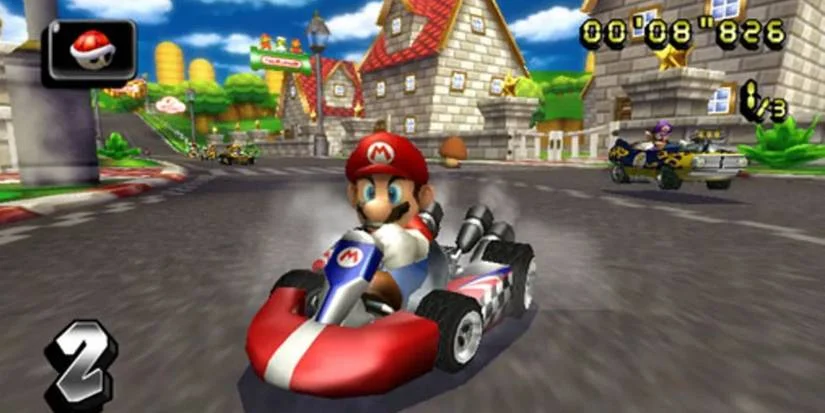
Headlines this week are claiming that Mario Kart Wii is now playable on Apple TV. That's true, with an asterisk worth explaining — because the real story here isn't the port itself, it's how it was made.
The project behind it, called KartPad, isn't a conventional Wii emulator. Traditional emulators simulate the original hardware in real time, translating instructions on the fly as the game runs. KartPad takes a different approach called static recompilation: the original Wii PowerPC game code is translated ahead of time into native ARM64 code, the same architecture Apple TV runs on. Around that recompiled core sits an Apple-specific compatibility layer that handles graphics through Metal, along with input, audio, and storage.
In practice, that means the game isn't being emulated so much as rebuilt to run natively on Apple's hardware — a fundamentally different technical approach that tends to run faster and more efficiently than emulation.
This week's development is a new experimental tvOS build. But there's an important catch buried in the project's own documentation: this release is described as a hardware bring-up preview, and the maintainer has not yet physically tested it on an actual Apple TV. It's being distributed specifically so testers can try it out and report back on whether it works.
So the accurate framing is: Mario Kart Wii has been ported to Apple TV — sort of. The code exists and is out in the wild, but "confirmed working on real hardware" and "released" aren't quite the same thing yet.
Beyond the correction, this is a good example of a broader shift happening in retro gaming right now. Static recompilation projects are popping up more frequently, aiming to rebuild specific games as native software for modern platforms, rather than relying on general-purpose emulators to fake the original hardware. It's a more labor-intensive approach, but often a more capable one — and KartPad is one of the more visible examples of it in action.